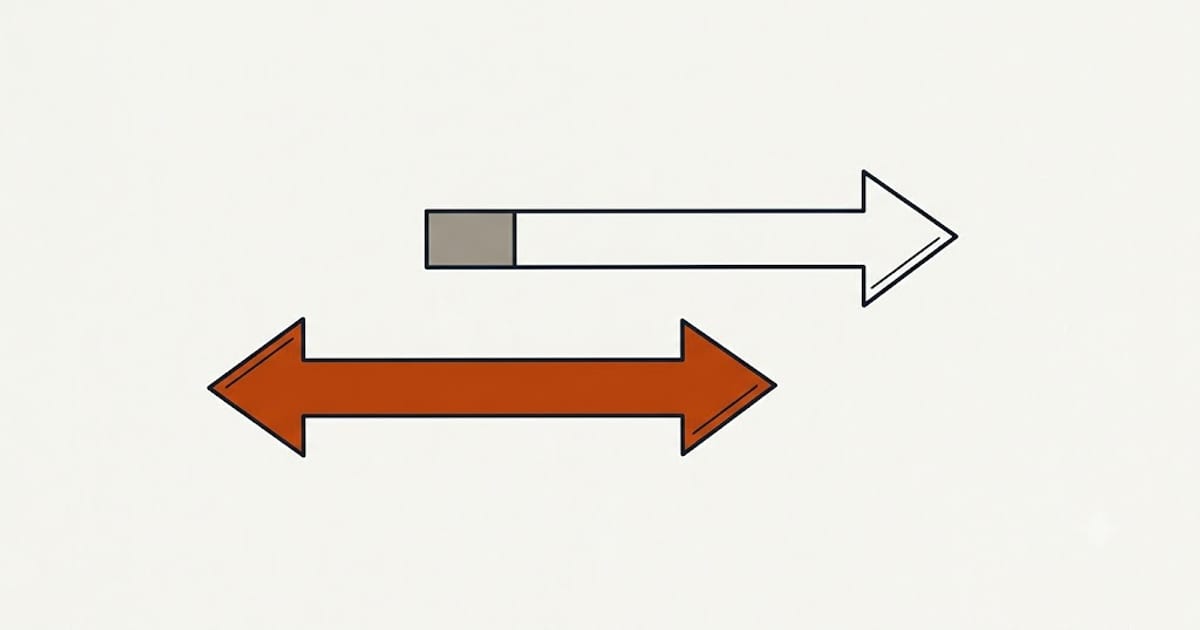
Atlanta to London: about 8 hours 30 minutes. London to Atlanta: about 9 hours 45 minutes.
Same aircraft, same 4,200 miles, same route. The difference is the jet stream.
Why the return is longer
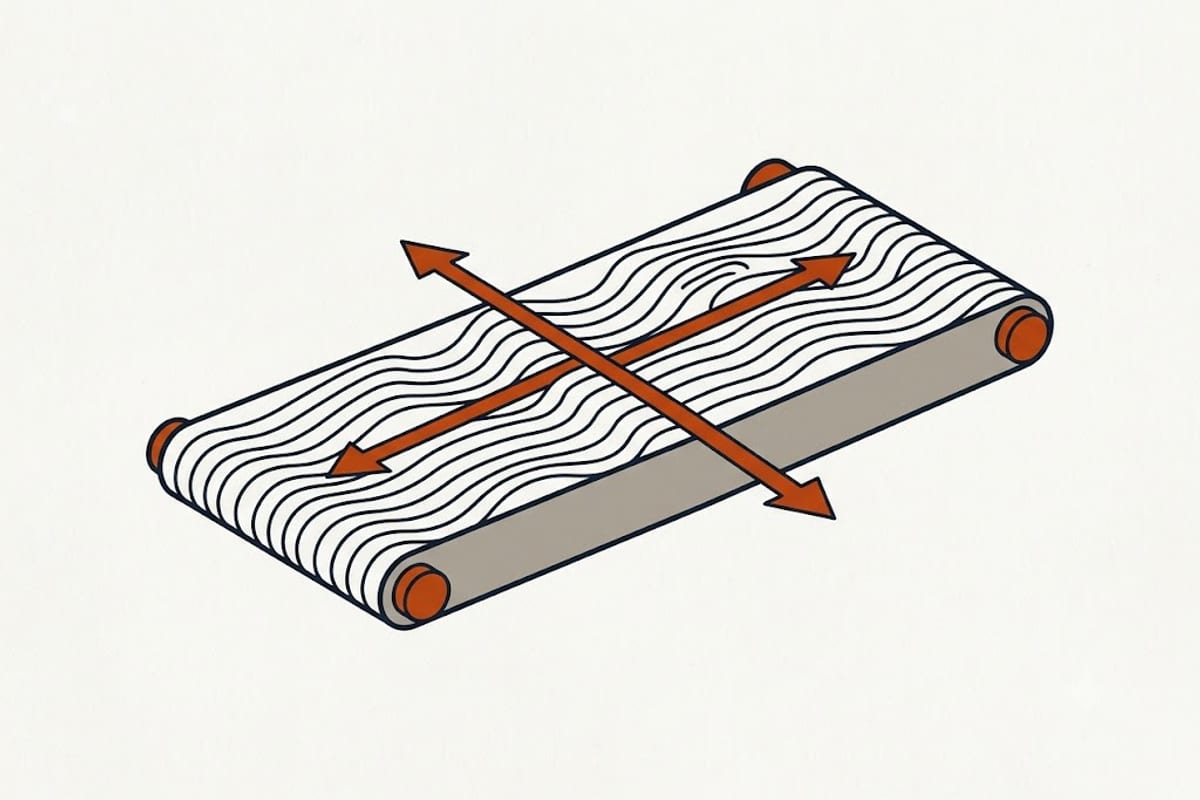
The North Atlantic jet stream runs west to east at cruising altitude, typically 100 to 200 mph and sometimes more in winter.
Flying east, an aircraft rides it and gains ground speed. Flying west, it fights it, and the routing shifts north or south to avoid the worst of it — which adds distance as well as time.
The effect is largest in winter, when the jet is strongest. Eastbound crossings occasionally beat eight hours in January; the same westbound leg can pass eleven.
This is why transatlantic schedules are asymmetric, and why an itinerary that looks balanced on paper is not.
Block time against time in the air
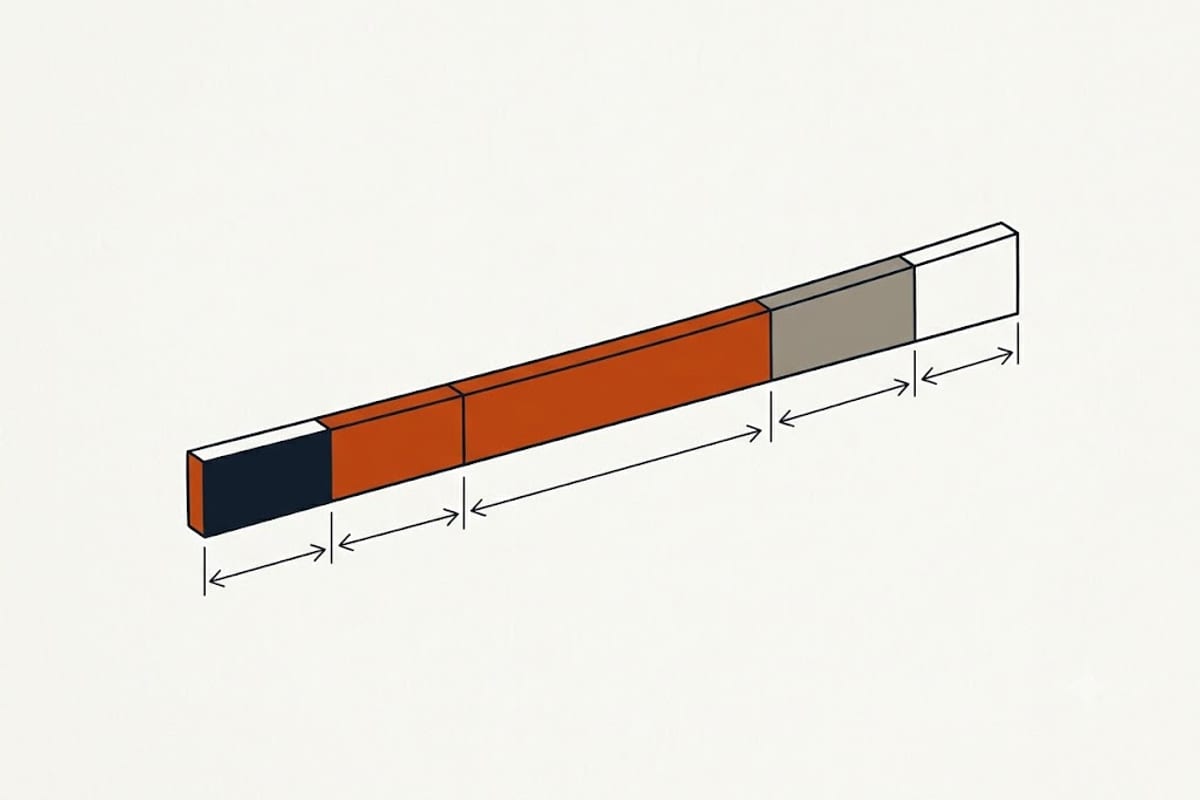
The duration printed on a ticket is block time — chocks off at the departure gate to chocks on at the arrival gate. It includes:
| Segment | Typical |
|---|---|
| Pushback and taxi out | 15–25 min |
| Climb, cruise, descent | 7h 45m–9h |
| Taxi in | 5–15 min |
Heathrow taxi times run long, and airlines pad schedules to protect on-time statistics. Actual airtime is commonly 20 to 40 minutes less than the published duration, which is why flights that leave late frequently arrive close to schedule.
Reading the arrival date
London is 5 hours ahead of Atlanta in winter and 5 hours ahead in summer as well, since both observe daylight saving — though on different dates, which creates two brief windows each year where the offset is 4 hours.
A 5:30 pm departure from Atlanta with an 8:30 flight time lands at 2:00 am Atlanta time, which is 7:00 am the next day in London. The overnight eastbound and the same-day westbound are a direct consequence of the offset being larger than the difference in flight times.
| Departure ATL | Arrival LHR |
|---|---|
| 5:30 pm | 7:00 am next day |
| 9:00 pm | 10:30 am next day |
| Departure LHR | Arrival ATL |
| 10:00 am | 2:00 pm same day |
| 3:00 pm | 7:00 pm same day |
Westbound you arrive the same calendar day, having gained five hours against a nine-and-three-quarter-hour flight.
What actually varies
Winds, day to day. A quiet jet stream and a strong one differ by an hour on this route.
Aircraft type, marginally. Cruise speeds across long-haul types are close enough that the difference is a few minutes.
Routing. North Atlantic tracks are published twice daily and shift with the weather. Two flights a day apart can fly measurably different distances.
Season. Winter westbound is the slowest combination on this route; summer eastbound the fastest.
Choosing a seat for an overnight crossing
Eastbound on this route is a night flight with roughly six hours of usable sleep between the meal service and the descent, which makes the seat decision worth more than it is on a daytime sector.
Two considerations dominate. The left side of the aircraft faces north on most North Atlantic tracks, which matters only if you want the aurora in winter and want to sleep otherwise. More practically, rows near galleys and lavatories stay lit and busy all night, and the last row before a bulkhead often has restricted recline.
Westbound is a daytime flight arriving in the afternoon, where the calculation reverses: recline matters less and legroom for a working laptop matters more.
What happens when the eastbound leg is delayed
Transatlantic schedules run tight at both ends, and a delayed departure from Atlanta usually cannot be recovered in the air — the aircraft is already flying close to its optimal speed, and burning extra fuel to save fifteen minutes is rarely economic.
Where it matters is the connection at the far end. Under UK and EU rules, a delayed arrival on a flight departing from or operated into the region by certain carriers can carry compensation obligations at thresholds measured in hours, separate from any rebooking. Worth knowing the flight number and scheduled times before speaking to a desk, because both are the first questions asked.
The connection that matters more than the flight time
For an onward connection at Heathrow, the number to plan around is not the flight time but minimum connection time — commonly 60 to 90 minutes for international-to-international, longer where a terminal change is involved.
An eastbound arrival at 7:00 am also lands in the morning peak at immigration, and a schedule that works on paper at 60 minutes frequently does not in practice.
Time offsets are worth understanding separately from durations — they are unrelated quantities — and ground distance obeys entirely different arithmetic from air distance.